We are going to break out many of the main types of performance
plastic grades like PTFE, ABS as well as PVC and
more. This should help you in making a the proper material and make an informed
decision. Whether you require a base
material that is lightweight, chemical
resistant, or
weatherproof, you should investigate http://plasticmentor.com, they have quality performance plastic sheets and rods for your needs.
Showing posts with label PerformancePlastic. Show all posts
Showing posts with label PerformancePlastic. Show all posts
Wednesday, December 11, 2024
Best Engineering Plastic Sheets from ISO Certified Plastic Firm

Thursday, July 11, 2024
Most Trusted Performance Plastic Sheet from ISO Certified Plastic Firm
Here we will break down many of the differences between
popular plastics identifying Nylon, Polypropylene as well as PVC and
more. This should help you in deciding a correct material and choose the best material. Whether you require a base
material that's lightweight, impact-resistant, or
weatherproof, you should investigate Industrial Plastic @
https://iplasticsupply.com/, they have quality performance plastic material for your needs.
Friday, July 5, 2024
Engineering Grade Plastic Sheets from ISO 9001 approved Company
Here we will break out some of the differences between popular performance plastic grades like Nylon, Polypropylene as well as HDPE and more. This will assist you in deciding a the proper material and choose the best material. Whether you need a plastic that is lightweight, impact-resistant, or weatherproof, you should investigate http://plastic.guru, they have excellent American Made plastic sheets and rods for your needs.
Thursday, February 10, 2022
Covestro Makrolon Polycarbonate Sheet are clear and tough
Makrolon Polycarbonate materials give you a balance of useful features including temp resistance, impact resistance and optical properties position polycarbonates between commodity plastic materials and engineering plastic materials.
Polycarbonate is definitely a tough material. Whilst it features extraordinary impact-resistance, it possesses a lower scratch-resistance and so a hard coating may be applied to polycarbonate eyeglasses lenses and polycarbonate exterior vehicle components. The characteristics associated with polycarbonate are along the lines of those of polymethyl methacrylate (PMMA, acrylic), but polycarbonate is actually stronger, it is usable in a wider temperature range and is a bit more expensive. This plastic polymer is highly transparent to visible light and has better light transmission characteristics than several types of glass.
Polycarbonate carries a glass transition temperature near 150 °C (302 °F), as a result it softens slowly above this point and flows above about 300°C (572 °F). Tools need to be held at warm to high temperatures, generally above 80 °C (176 °F) to make strain- and almost stress free products.
Unlike most other thermoplastics, polycarbonate can undergo large deformations without breaking. Due to this fact, it could be processed and formed without needing to be heated using sheet metal techniques, for example forming bends with a brake. Even for sharp angle bends having a tight radius, no heating is usually necessary. This makes it valuable in prototyping applications where transparent or electrically non-conductive parts are required, which can not be produced from sheet metal. Please keep in mind PMMA/Plexiglas, that is certainly similar in looks to polycarbonate, but it is brittle and can't be bent without heating.
The light weight of polycarbonate, compared to glass, has led to development of electronic touch screens that replace the traditional glass with polycarbonate, for use in mobile and portable devices. Such displays include newer e-ink as well as LCD screens, though CRT, plasma screen and other LCD technologies which still require glass for its higher melting temperature and the ability to be etched in finer detail.
Other miscellaneous items manufactured from Polycarbonate include durable, lightweight luggage, MP3/digital audio player cases, computer cases, police riot shields, instrument panels, and blender jars. Many toys and hobby products are constructed from polycarbonate parts, e.g. fins, gyro mounts, and flybar locks for use with radio-controlled helicopters.
For use in applications subjected to weathering or UV-radiation, a special surface treatment maybe needed. This either can be a coating (e.g. for improved abrasion resistance), or as a coextrusion for enhanced weathering resistance.
The Makrolon Polycarbonate is a thermoplastic that starts as a solid material in the form of small pellets. In a manufacturing process called injection molding, these small pellets are heated until they begin to melt. The liquid polycarbonate is then rapidly injected into molds, compressed under high pressure and cooled to produce a finished product , that only takes about a minute to complete.
Sunday, March 21, 2021
Covestro Makrolon Polycarbonate Flat Sheet are considered unbreakable
Polycarbonate plastic materials offer a balance of beneficial features including high temperature resistance, impact resistance and optical properties position polycarbonates in between commodity plastics and engineering plastic materials.
Polycarbonate is a very durable material. Although it features greater impact-resistance, it has got reduced scratch-resistance and thus a hard coating could be applied to polycarbonate eye protection lenses and polycarbonate exterior vehicle equipment. The characteristics associated with polycarbonate are similar those of polymethyl methacrylate (PMMA, acrylic), but polycarbonate definitely is stronger, it is usable in a wider temperature range and is a bit more expensive. This plastic polymer is highly transparent to visible light and it has better light transmission characteristics than most grades of glass.
Polycarbonate carries a glass transition temperature of approximately 150 °C (302 °F), consequently it softens slowly above this point and flows above about 300°C (572 °F). Tools ought to be held at higher temperatures, generally above 80 °C (176 °F) to help with making strain- and reduced stress products.
Unlike almost all other thermoplastics, polycarbonate can undergo massive shape changes without cracking. For that reason, it may be processed and formed without needing to be heated using sheet metal techniques, for instance forming bends on a brake. Even for sharp angle bends with a tight radius, no heating is usually necessary. This makes it valuable in prototyping applications where transparent or electrically non-conductive parts are necessary, which can not be crafted from sheet metal. Note that PMMA/Plexiglas, that is similar in appearance to polycarbonate, but is brittle and can't be bent unless it is heated.
Polycarbonate is often used in eye protection, and also in other projectile-resistant see through applications that would normally indicate the use of glass, but require much higher impact-resistance. Many different types of lenses are manufactured from polycarbonate, including automotive headlamp lenses, lighting lenses, sunglass/eyeglass lenses, swimming and SCUBA goggles, and safety visors for use in sporting helmets/masks and police riot gear. Windscreens in small motorized vehicles are commonly made of polycarbonate, such as for motorcycles, ATVs, golf carts, and small planes and helicopters.
Thursday, March 11, 2021
Bayer Makrolon Polycarbonate Sheeting offering light weight and break resistance
Polycarbonate products have a great blend of beneficial features which include high temperature resistance, impact resistance and optical properties position polycarbonates between commodity plastic materials and engineering plastics.
Polycarbonate is a very durable material. Even though it offers considerable impact-resistance, it possesses a lower scratch-resistance and thus a hard coating can be applied to polycarbonate eye wear lenses as well as polycarbonate exterior automotive components. The characteristics associated with polycarbonate are generally comparable to those of polymethyl methacrylate (PMMA, acrylic), and yet polycarbonate is undoubtedly stronger, it is usable in a wider temperature range and is a bit more expensive. This plastic polymer is highly transparent to visible light and it has better light transmission characteristics than many different types of glass.
Polycarbonate carries a glass transition temperature of around 150 °C (302 °F), so it softens slowly above this point and flows above about 300°C (572 °F). Tools will have to be held at warm to high temperatures, generally above 80 °C (176 °F) to produce strain- and reduced stress products.
Unlike almost all other thermoplastics, polycarbonate can undergo dramatic deformations without cracking. For that reason, for small changes in shape, it can be processed and formed at room temperature using sheet metal techniques, which include forming bends with a brake. Even for sharp angle bends having a tight radius, no heating is usually necessary. This makes it attractive prototyping applications where transparent or electrically non-conductive parts are important, which should not be made from sheet metal. Note that PMMA/Plexiglas, that is certainly similar in appearance to polycarbonate, but it's brittle and can't be bent unless it is heated.
Polycarbonate is commonly used in eye protection, in addition to other projectile-resistant see through applications that would normally be thought of as requiring the use of glass, but require much higher impact-resistance. Many kinds of lenses are created from polycarbonate, including automotive headlamp lenses, lighting lenses, sunglass/eyeglass lenses, swimming and SCUBA goggles, and safety glasses for use in sporting helmets/masks and police riot gear. Windscreens in small motorized vehicles are typically made of polycarbonate, such as for motorcycles, ATVs, golf carts, and small planes and helicopters.
Tuesday, March 9, 2021
Covestro Makrolon Polycarbonate Flat Sheet offering light weight and break resistance
Polycarbonate plastic products give you a unique balance of useful features this includes temp resistance, impact resistance and optical properties position polycarbonates between commodity plastic materials and engineering plastic materials.
Polycarbonate is a very high quality material. Although it features higher impact-resistance, it possesses lower scratch-resistance and so a hard coating can be applied to polycarbonate eyewear lenses and polycarbonate exterior auto components. The properties relating to polycarbonate are generally comparable to those of Acrylic PMMA materials, but polycarbonate is actually stronger, it is usable in a wider temperature range and is a bit more expensive. This plastic polymer is highly transparent to visible light and it has better light transmission characteristics than several types of glass.
Polycarbonate carries a glass transition temperature near 150 °C (302 °F), therefore it softens gradually above this point and flows above about 300°C (572 °F). Tools are required to be held at high temperatures, generally above 80 °C (176 °F) to help with making strain- and stress-free products.
Unlike many thermoplastics, polycarbonate can undergo massive changes in basic shape without cracking or breaking. For that reason, for small changes in shape, it can be processed and formed at room temperature using standard sheet metal techniques, such as forming bends on a brake. For even sharp angle bends having a tight radius, no heating is usually necessary. This makes it useful for prototyping applications where transparent or electrically non-conductive parts are important, which can not be created from sheet metal. Note that PMMA/Plexiglas, which happens to be similar in appearance to polycarbonate, but it's brittle and cannot be bent without heating.
The light weight of polycarbonate, as opposed to glass, has led to advancement of electronic touch screens that replace the traditional glass with polycarbonate, for use in mobile and portable devices. Such displays include newer e-ink as well as LCD screens, though CRT, plasma screen and other LCD technologies which still do require glass for its higher melting temperature and its ability to be etched in finer detail.
Other miscellaneous items made from Polycarbonate include durable, lightweight luggage, MP3/digital audio player cases, computer cases, police riot shields, instrument panels, and common style blender jars. Many toys and hobby products are constructed from polycarbonate parts, e.g. fins, gyro mounts, and flybar locks for use with radio-controlled helicopters.
For use in applications subjected to weathering or UV-radiation, a special surface treatment maybe needed. This either can be a coating (e.g. for improved abrasion resistance), or perhaps the coextrusion for enhanced weathering resistance.
The Makrolon Polycarbonate is a thermoplastic that begins as a solid plastic material in the form of small pellets. In a manufacturing process called injection molding, the pelletized resin is heated until they melt and become a very thick liquid. This liquid polycarbonate is then rapidly pushed into a mold, compressed under high pressure and cooled to create a finished product in a matter of minutes.
Saturday, January 9, 2021
Lexan Polycarbonate Flat Sheet are considered unbreakable
Polycarbonate products offer a great blend of helpful features including temperature resistance, impact resistance and optical properties position polycarbonates in between commodity plastic materials and engineering plastic materials.
Polycarbonate is definitely a rugged material. Whilst it offers greater impact-resistance, it possesses low scratch-resistance and thus a hard coating could be applied to polycarbonate eyeglasses lenses and polycarbonate exterior auto components. The properties associated with polycarbonate are similar to those of polymethyl methacrylate (PMMA, acrylic), although polycarbonate is always stronger, it is usable in a wider temperature range and is a bit more expensive. This plastic polymer is highly transparent to visible light and it has better light transmission characteristics than many different types of glass.
Polycarbonate carries a glass transition temperature near 150 °C (302 °F), in order that it softens gradually above this point and flows above about 300°C (572 °F). Tools need to be held at high temperatures, generally above 80 °C (176 °F) in order to make strain- and stress-free products.
Unlike almost all other thermoplastics, polycarbonate can undergo dramatic deformations without breaking. Due to this fact, it can be processed and formed at room temperature using standard sheet metal techniques, such as forming bends with a brake. For even sharp angle bends with a tight radius, no heating is usually necessary. This makes it attractive prototyping applications where transparent or electrically non-conductive parts are needed, which can't be made from sheet metal. Note that PMMA/Plexiglas, which is similar in looks to polycarbonate, but is brittle and can't be bent at room temperature.
The light weight of polycarbonate, compared with glass, has led to growth and development of electronic touch screens that replace the traditional glass with polycarbonate, for use in mobile and portable devices. Such displays include newer e-ink and some LCD screens, though CRT, plasma screen and other LCD technologies which still require glass for its higher melting temperature and the ability to be etched with finer detail.
Other miscellaneous items made out of Polycarbonate include durable, lightweight luggage, MP3/digital audio player cases, computer cases, police riot shields, instrument panels, and blender jars. Many toys and hobby goods are made out of polycarbonate parts, e.g. fins, gyro mounts, and flybar locks for use with radio-controlled helicopters.
For use in applications exposed to weathering or UV-radiation, a special surface treatment maybe needed. This either can be a coating (e.g. for improved abrasion resistance), or as a coextrusion for enhanced weathering resistance.
The Makrolon Polycarbonate is a thermoplastic that starts as a solid material in the form of small pellets. In a manufacturing process called injection molding, the pellets are heated until they melt in to a thick liquid. The liquid polycarbonate is then rapidly pushed into a mold with the empty part being the size and shape of the part you want, compressed under high pressure and cooled to create a finished product in a matter of minutes.
Tuesday, December 15, 2020
Lexan Polycarbonate Sheeting offer high impact strength
Polycarbonate materials give you a unique balance of useful features including high temperature resistance, impact resistance and optical properties position polycarbonates between commodity plastics and engineering materials.
Polycarbonate is definitely a high quality material. Though it has very high impact-resistance, it's got minimal scratch-resistance and thus a hard coating can be applied to polycarbonate eye protection as well as polycarbonate exterior motor vehicle equipment. The properties of polycarbonate are similar those of Acrylic PMMA materials, although polycarbonate definitely is stronger, it is usable in a wider temperature range and is a bit more expensive. This plastic polymer is highly transparent to visible light and it has better light transmission characteristics than many different types of glass.
Polycarbonate carries a glass transition temperature near 150 °C (302 °F), as a result it softens gradually above this point and flows above about 300°C (572 °F). Tools ought to be held at warm to high temperatures, generally above 80 °C (176 °F) to make strain- and almost stress free products.
Unlike most other thermoplastics, polycarbonate can undergo dramatic shape changes without cracking or breaking. As a result, for small changes in shape, it can be processed and formed without needing to be heated using sheet metal techniques, for example forming bends with a brake. Even for sharp angle bends having a tight radius, no heating is generally necessary. This makes it attractive prototyping applications where transparent or electrically non-conductive parts are essential, which can't be created from sheet metal. Remember that PMMA/Plexiglas, which happens to be similar in appearance to polycarbonate, but it's brittle and can't be bent unless it is heated.
The light weight of polycarbonate, compared to glass, has led to advancement of electronic view screens that replace glass materials with polycarbonate, for use in mobile and portable devices. Such displays include newer e-ink and many LCD screens, though CRT, plasma screen and other LCD technologies still generally require glass for its higher melting temperature and its ability to be etched with finer detail.
Other kinds of items created from Polycarbonate include durable, lightweight luggage, MP3/digital audio player cases, computer cases, high impact riot shields, instrument panels, and blender jars. Many toys and hobby goods are manufactured from polycarbonate parts, e.g. fins, gyro mounts, and flybar locks for use with radio-controlled helicopters.
For use in applications subjected to weathering or UV-radiation, a special surface treatment is needed. This can be a coating (e.g. for improved abrasion resistance), or a coextrusion for enhanced weathering resistance.
Bayer Makrolon Polycarbonate is a thermoplastic that starts as a solid plastic material in the form of small pellets. In a manufacturing process called injection molding, the pelletized resin is heated until they melt in to a thick liquid. This liquid polycarbonate is then rapidly pushed into molds, compressed under high pressure and cooled to produce a finished product in less than a minute.
local engineering plastic sheets
Sunday, November 1, 2020
What Industry Frequently Define CNC Accuracy
Because the dawn of the CNC (Computer System Numerical Control) equipment intro in the machining sector, they have actually been praised for being exact, quick, consistent as well as versatile. Although CNC machines are not totally independent, a lot of major markets depend on these marvel devices. Usual CNC-dependent industries include the steel industry and also the woodworking market. Nonetheless, these industries, when small-time, can be operated by hands.
In this write-up, you will learn about the markets which are CNC dependent not due to the fact that they have grown huge in time but due to the fact that they need to. It can be additionally that they are CNC dependent because their industries require a low degree of tolerance and also a high degree of refinement. There are no "small-time" participants of this sector. Let's begin going over.
THE AEROSPACE MARKET
First of all, this is already a very sophisticated sector. A design degree (entirely) will certainly not obtain you anywhere in the Aerospace sector. Not also within striking variety. This sector requires so high from their participants so factory that come from this sector depend on just the most effective of the best of CNC machining. In fact, sources say that the term "Precision Machining" has been created from this market.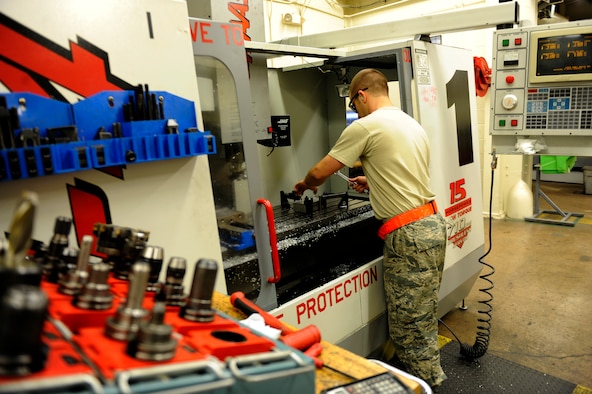 In the materials they utilize, the aerospace market currently demands a whole lot. CNC equipment which are made use of below are mainly efficient in handling Inconel, Titanium, Magnesium, Stainless-steel therefore far more. From parts of the touchdown gear, to shuttle bus seats, to housings, as well as even oxygen generation, CNC makers play a huge component in their production.
It's not just that. Every CNC device made use of in this industry likewise needs to be authorized AND RATED by the Federal Aviation Administration (FAA) to be risk-free and also to be definitely capable of "Accuracy Machining". A NASA experience is very commended as well.
COMMON USAGE IN MEDICAL INDUSTRY
If the Aerospace Sector required precision above all, the Medical Industry needs sterility as long as precision. That's something that you may have understood because you obtained your first vaccine. A lot of CNC equipment which help this sector are multi-spindle as well as contain multi-turret turrets.
These special functions allow the firm to end up elements for hospital devices, pulse meters, blood filtration systems and also mother clinical devices. They are also beneficial in the mass production of disposable products and also non-embeddable components.
High-torque milling as well as turning spindles are heavily demanded in this market to make it possible for customers to refine all substrates currently used in the medical device as well as orthopedic implant markets. Moreover, CNC machines recommended in the clinical industry are those which can appropriately deal with Titanium, Cobalt Chromium, Nitinol as well as others.
THE MILITARY MARKET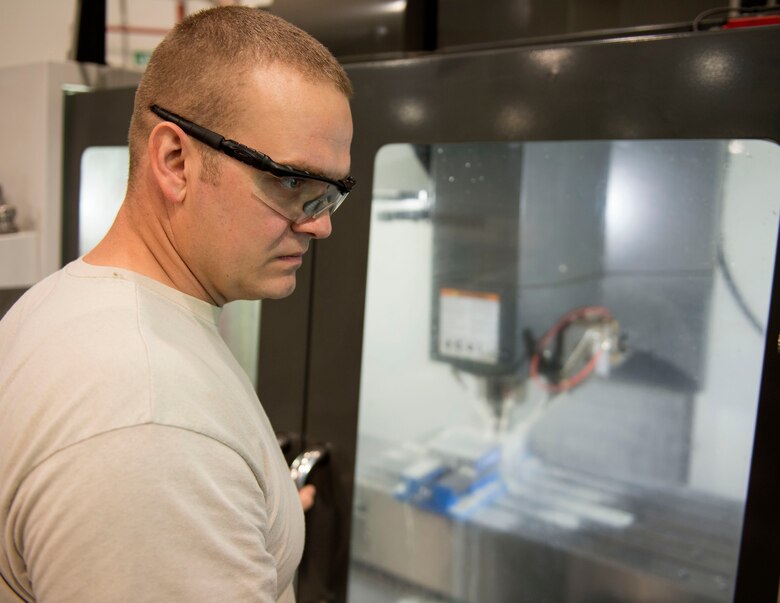 This market's primary concern aside from precision is security. As a matter of fact, if you attempt to browse online the CNC-manufactured products or CNC devices utilized in this sector, regardless of how well-known their credibility is, the producer can not display (images of) the materials that they have actually produced for their customers. They can only display items which they are utilized in. CNC Machining works well on most machinable products, including: Metal Sheet, Industrial Grade Plastics, and even Wood products.
This industry deals greatly with Inconel, Titanium, Kevlar, Monel and Hastealloy; so most CNC makers suggested in the Armed forces sector should have the ability to manage those.
Famous CNC criteria critics in this industry consist of the Department of Protection (DOD), the Mil Specification (Military Requirement) and other selected armed forces markets.
The leading supervisors of these industries likewise require their CNC equipment to be bought from CNC machine suppliers which comply with the International Criteria Company (ISO). And since these markets are CNC-dependent, their shops can occupy a substantial amount of space. Generally, that makes no area for traditional techniques and errors.
Subscribe to:
Posts (Atom)
-
Taylor Swift: a global pop sensation immersed in legal drama! 🌟 A mastermind of reinvention 🔄. Her journey isn't just marked by chart-...
-
Next occasion you find yourself chopping vegetables, fruits upon your slicing board, take the time and look at it, the material most likely ...
